The Longevity Shelf: Sorting Real Science From Expensive Marketing in the Anti-Aging Aisle
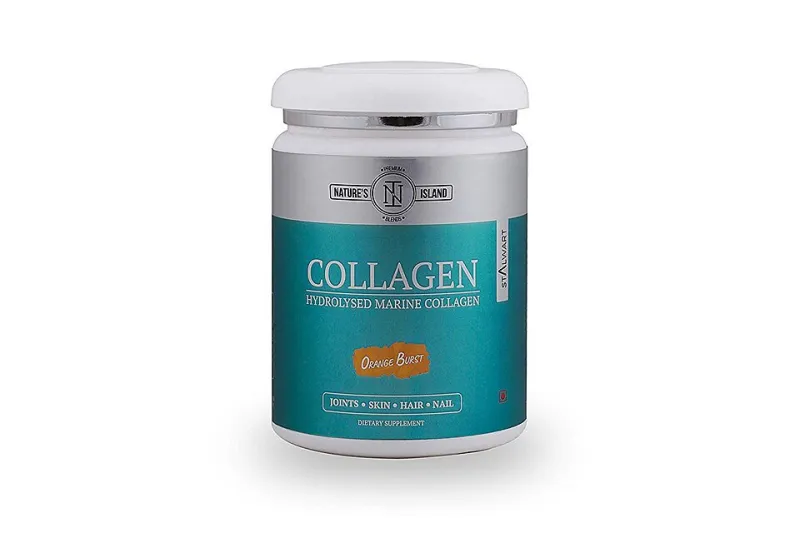
Photo: Nature Island, CC BY-SA 4.0, via Wikimedia Commons
The anti-aging industry has discovered something powerful: aging is universal, inevitable, and therefore the perfect thing to sell against. The global market for longevity products now exceeds tens of billions of dollars annually, and its catalog grows faster than the evidence behind it. Some interventions on today's shelves rest on legitimate research. Others are marketing wearing a lab coat.
Here is a candid assessment, ordered roughly from strongest evidence to weakest.
Sunscreen: The Undisputed Champion
No product marketed for anti-aging has better evidence than one most people don't think of that way. Photodamage—driven primarily by UV exposure—accounts for the majority of visible skin aging, a phenomenon dermatologists call photoaging. A landmark 2013 randomized trial published in the Annals of Internal Medicine found that adults who used sunscreen daily showed no detectable skin aging over 4.5 years, while the control group did.
Broad-spectrum SPF 30, applied daily, is the cheapest evidence-backed anti-aging intervention available. It is not glamorous. It works.
Retinoids: The Prescription-Grade Standard
Tretinoin and its over-the-counter relatives have decades of trial data showing improved skin texture, reduced fine lines, and measurable collagen changes. This is one of the few categories where the dermatology literature is genuinely settled. Irritation and sun sensitivity are the main tradeoffs.
Collagen Supplements: Cautiously Promising, Modestly
Once dismissed because oral collagen should simply be digested into amino acids, collagen peptides have since produced several small randomized trials suggesting modest improvements in skin elasticity and hydration, and some benefit for joint discomfort in athletes. The effects are real but small, the studies are often funded by manufacturers, and quality control across products is inconsistent. If you take it, treat it as a minor supplement, not a transformation.
Red Light Therapy: Interesting Physics, Immature Evidence
Photobiomodulation—the use of specific red and near-infrared wavelengths—has plausible mechanisms and some small trials showing benefit for wound healing, joint pain, and certain dermatologic conditions. Consumer devices, however, vary wildly in power output and wavelength accuracy, and the evidence for at-home anti-aging claims is thin. Professional in-office treatments have better support. The home mask you saw on social media? Consider it a maybe, not a must.
NAD+ Boosters: The Frontier, Sold as the Finish Line
Nicotinamide riboside and nicotinamide mononucleotide (NMN) raise NAD+ levels, a coenzyme that declines with age and features prominently in animal longevity research. Mouse studies are genuinely intriguing. Human trials to date mostly demonstrate that the supplements raise blood NAD+—not that this translates to slower aging, better function, or longer life. These are molecules under active investigation, currently marketed with a confidence the human data does not support.
Antioxidant Megadoses: A Cautionary Tale
The free-radical theory of aging inspired decades of supplement enthusiasm, and the trials that followed were humbling. High-dose beta-carotene increased lung cancer risk in smokers in two major trials. Vitamin E and selenium showed no benefit and some harm in long-term studies. Food sources of antioxidants—vegetables, berries, legumes—remain strongly associated with health. Isolated megadoses are not, and in several cases have been shown to be counterproductive.
What Actually Works, Ranked by Return on Effort
The interventions with the strongest evidence for extending healthspan are unpatentable and therefore barely marketed:
- Regular physical activity — arguably the single most powerful longevity intervention known, affecting cardiovascular, metabolic, musculoskeletal, and cognitive aging simultaneously.
- Adequate, consistent sleep — chronically short sleep is associated with nearly every age-related disease.
- A Mediterranean-pattern diet — supported by large cohort studies and randomized trial evidence for cardiovascular benefit.
- Not smoking, and moderating alcohol — each worth years of preserved healthspan.
- Social connection and purpose — consistently associated with longevity in studies such as the Harvard Study of Adult Development.
- Recommended screenings and blood pressure control — unglamorous, high-yield, and available at RSB Health Institute.
The Bottom Line
A useful heuristic: the louder the marketing and the rarer the ingredient, the thinner the evidence tends to be. The interventions with the deepest human data are the ones nobody can sell you in a jar. Spend the supplement budget on good food and a dermatologist visit, wear the sunscreen, and let the mice keep their NAD+ until the human trials catch up.