When Your Gut Is Speaking, Every Organ Listens: The Systemic Reach of Microbiome Imbalance
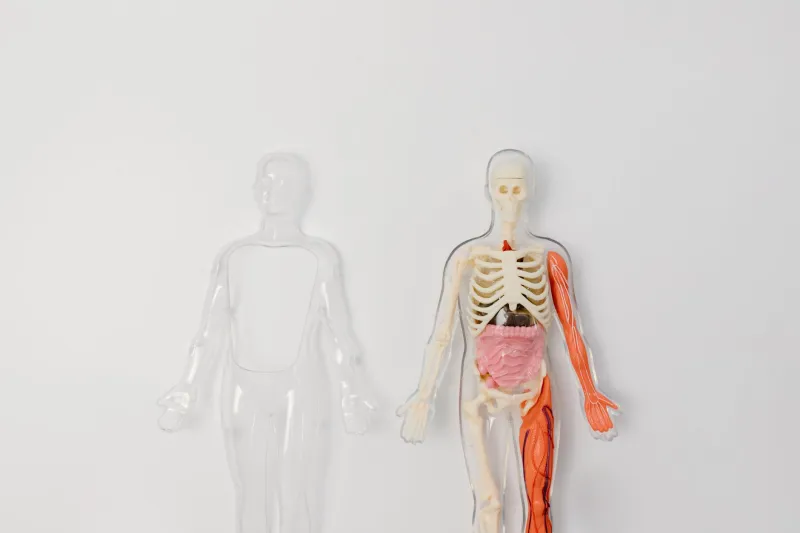
For years, many Americans have cycled through specialist after specialist—a gastroenterologist for bloating, a neurologist for persistent brain fog, a rheumatologist for unexplained joint inflammation, a dermatologist for recurring skin flares—without ever receiving a unifying explanation. In a significant number of these cases, the origin point may not reside in any single organ. It may reside in the gut.
The human gastrointestinal tract is home to an estimated 38 trillion microorganisms, collectively referred to as the gut microbiome. When this ecosystem falls out of balance—a condition known as dysbiosis—the consequences extend well beyond stomach discomfort. Emerging research and clinical observation increasingly point to gut dysbiosis as a contributing factor in health problems that, on the surface, appear entirely unrelated to digestion.
Understanding this connection is not simply an academic exercise. For patients who have struggled to find answers, it may represent a meaningful turning point in their care.
What Dysbiosis Actually Means
The term dysbiosis refers to a disruption in the composition, diversity, or function of the microbial community within the gut. A healthy microbiome is characterized by a wide variety of bacterial species operating in relative equilibrium. When harmful bacteria, fungi, or other pathogens begin to dominate—or when beneficial species are depleted—this balance breaks down.
Common triggers include prolonged or repeated antibiotic use, a diet high in processed foods and low in fiber, chronic psychological stress, environmental toxin exposure, and certain medications such as proton pump inhibitors or non-steroidal anti-inflammatory drugs. In some individuals, dysbiosis develops gradually over years, making it difficult to trace back to any single cause.
The challenge from a diagnostic standpoint is that dysbiosis does not always announce itself with obvious gastrointestinal symptoms. A patient may have a profoundly imbalanced microbiome while experiencing what appears to be primarily a neurological, immunological, or metabolic condition.
The Gut-Brain Axis: More Than a Metaphor
One of the most well-documented pathways through which gut imbalance affects overall health is the gut-brain axis—a bidirectional communication network linking the enteric nervous system of the gastrointestinal tract with the central nervous system.
Approximately 95 percent of the body's serotonin is produced in the gut, not the brain. Gut microbes play a direct role in regulating this production, as well as the synthesis of other neuroactive compounds including gamma-aminobutyric acid (GABA) and dopamine precursors. When dysbiosis disrupts microbial activity, these chemical signals can become dysregulated.
Clinically, this may present as persistent cognitive difficulty—commonly described as brain fog—alongside anxiety, low mood, or disrupted sleep patterns. Patients experiencing these symptoms often receive psychiatric evaluations and interventions without any investigation of their gastrointestinal environment. While mental health treatment may be appropriate and necessary, addressing an underlying microbiome imbalance can, in some cases, meaningfully support neurological and emotional well-being in ways that standalone psychiatric care cannot.
Immune Dysregulation and Autoimmune Vulnerability
Roughly 70 percent of the body's immune tissue is housed in and around the gastrointestinal tract. The gut microbiome plays an essential role in training and modulating immune responses, helping the immune system distinguish between genuine threats and the body's own tissues.
When the gut lining becomes compromised—a phenomenon often described as increased intestinal permeability—partially digested food particles, bacterial byproducts, and other antigens can enter systemic circulation. This triggers sustained immune activation that may manifest as widespread inflammation, allergic sensitization, or, in susceptible individuals, autoimmune flares.
Conditions including rheumatoid arthritis, lupus, Hashimoto's thyroiditis, and inflammatory bowel disease have all been associated in the research literature with alterations in gut microbial composition. This does not imply that dysbiosis causes these conditions outright, but it does suggest that an imbalanced microbiome may serve as an amplifying factor—worsening disease activity and complicating treatment response.
For patients managing autoimmune conditions who find their symptoms difficult to control despite appropriate medical therapy, a thorough evaluation of gut health may provide clinically relevant information.
Skin, Hormones, and Metabolic Function
The gut microbiome's influence does not stop at the brain and immune system. Dermatological conditions including acne, eczema, rosacea, and psoriasis have each been linked in peer-reviewed studies to alterations in gut microbial diversity. The gut-skin axis, while less widely discussed than the gut-brain axis, represents a genuine physiological relationship that may inform treatment strategies for patients with chronic skin conditions.
Hormonal regulation is similarly affected. The gut microbiome participates in the metabolism of estrogen and other steroid hormones through a collection of microbial genes referred to as the estrobolome. Disruptions to this process have been associated with estrogen dominance, irregular menstrual cycles, and potentially increased risk for certain hormone-sensitive conditions.
Metabolically, dysbiosis has been implicated in altered glucose regulation, increased adiposity, and a heightened inflammatory state that may contribute to insulin resistance. Patients struggling with unexplained weight changes or blood sugar instability despite dietary modifications may benefit from exploring whether gut health is a contributing variable.
Recognizing the Signs Your Microbiome May Be Compromised
Because dysbiosis presents so differently across individuals, there is no single defining symptom. However, certain patterns warrant clinical attention:
- Digestive irregularities that persist despite dietary adjustments, including bloating, gas, constipation, diarrhea, or alternating bowel habits
- Frequent infections or slow recovery, suggesting impaired immune function
- Unexplained fatigue that is not attributable to sleep quality or thyroid function
- Mood instability or cognitive difficulty without a clear psychiatric explanation
- Food sensitivities that appear to be expanding over time
- Skin conditions that flare in response to dietary changes or stress
- A history of prolonged antibiotic use, which significantly alters microbial diversity
None of these signs is diagnostic in isolation. However, when multiple indicators are present simultaneously, a comprehensive evaluation that includes gut health assessment is clinically warranted.
Evidence-Based Approaches to Restoration
Addressing dysbiosis requires a personalized, systematic approach rather than a one-size-fits-all supplement protocol. Clinically supported strategies include:
Dietary modification: A diet rich in diverse plant-based foods, fermented products such as yogurt, kefir, and kimchi, and prebiotic fibers found in garlic, onions, leeks, and legumes provides the substrate microbial communities need to thrive. Reducing ultra-processed foods, excess sugar, and artificial additives helps remove conditions that favor harmful microbial overgrowth.
Targeted probiotic therapy: Specific probiotic strains have demonstrated efficacy for particular conditions in clinical trials. Strain selection matters; a healthcare provider familiar with the microbiome research literature can help identify formulations appropriate to an individual's circumstances.
Stress reduction: Because the gut-brain axis operates bidirectionally, chronic psychological stress actively degrades microbial diversity. Structured stress management—whether through cognitive behavioral approaches, mindfulness practices, or appropriate therapeutic support—is a legitimate component of microbiome care.
Medication review: Where clinically safe and appropriate, reviewing the necessity of medications known to disrupt gut flora—particularly antibiotics and acid-suppressing agents—may be part of a broader restoration strategy conducted under physician supervision.
Functional testing: Comprehensive stool analysis, organic acid testing, and intestinal permeability assessments can provide objective data to guide treatment. These tools are not universally standard in conventional care, but they are increasingly available and informative.
A Foundational Variable Worth Evaluating
At RSB Health Institute, our approach to patient care is grounded in the belief that informed decisions require complete information. For patients who have received multiple diagnoses, pursued various treatments, and still find themselves without satisfactory answers, the gut microbiome represents a foundational variable that deserves rigorous clinical attention.
The science is clear that what occurs within the gastrointestinal tract does not remain there. When the gut ecosystem is disrupted, every connected system—neurological, immunological, endocrine, integumentary—feels the effect. Recognizing this systemic reach is not a departure from evidence-based medicine. It is an expression of it.